
If you live in Hudson, finding a roach in the kitchen, bathroom, garage, or laundry room usually leads to one immediate question: is this a one-time pest problem, or do I have an infestation?
That answer depends heavily on whether you are dealing with a palmetto bug or a German roach.
In Florida, people often use the word “palmetto bug” to describe any large roach. But from a pest control standpoint, palmetto bugs and German roaches are very different problems. They behave differently, nest differently, reproduce differently, and require different treatment strategies. For homeowners in Hudson, Port Richey, New Port Richey, Spring Hill, Holiday, Tarpon Springs, Palm Harbor, Dunedin, and Wesley Chapel, knowing the difference can help you understand what you are actually dealing with before the problem spreads.
What Floridians Usually Mean by “Palmetto Bug”
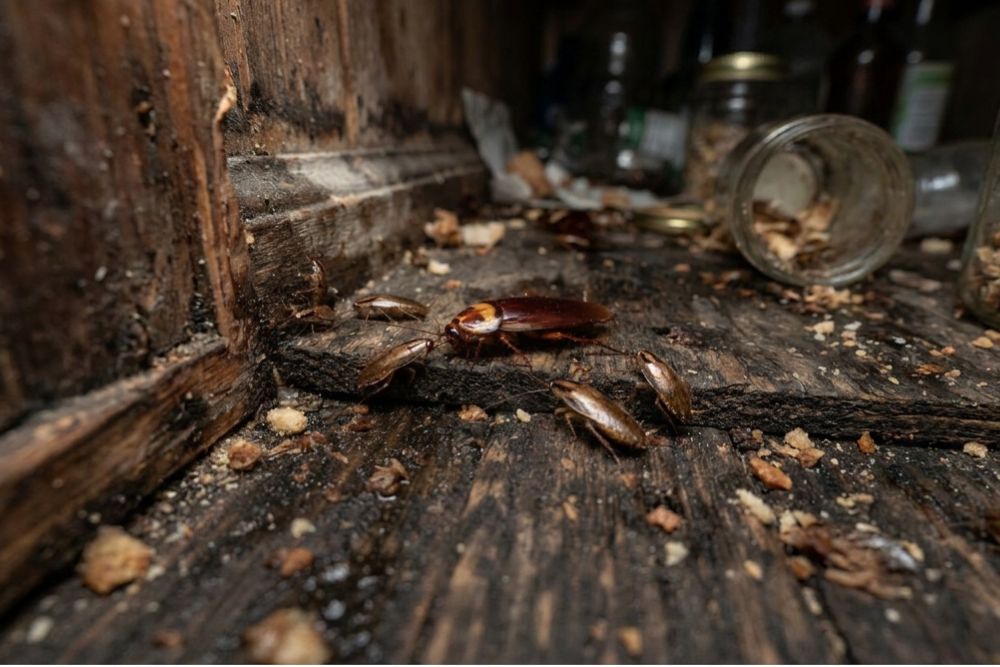
A “palmetto bug” is not one exact scientific species. In Florida, the term usually refers to large outdoor roaches, especially American cockroaches and sometimes smoky brown cockroaches. These roaches are large, fast, and alarming. They may show up in bathrooms, garages, patios, kitchens, and utility rooms, especially after heavy rain or when outdoor conditions push them inside.
A palmetto bug is usually:
- Large, often over an inch long
- Reddish-brown or dark brown
- More likely to enter from outside
- Common near mulch, drains, trees, crawl spaces, sheds, and garages
- Often seen as a single roach or occasional intruder
In Hudson and along the Gulf Coast, palmetto bugs are common because the environment gives them what they need: moisture, warmth, landscaping, shaded areas, and access points around older homes, patios, soffits, and plumbing lines. Seeing one palmetto bug does not automatically mean the home has a large indoor infestation. But it does mean there is an entry point, moisture source, or exterior pressure that should be addressed.
What Makes German Roaches Different
German roaches are a more serious indoor pest. They are smaller than palmetto bugs, but they reproduce much faster. They do not usually wander in from the yard and leave. German roaches are typically carried into a structure through boxes, groceries, used appliances, furniture, restaurant supplies, or shared-wall housing.
A German roach is usually:
- Small, often about half an inch long
- Light brown or tan
- Marked by two dark stripes behind the head
- Found near kitchens, cabinets, appliances, bathrooms, and food sources
- Seen in groups or repeatedly over time
- Active at night, but sometimes visible during the day when the population is growing
The biggest difference is that German roaches live and breed inside. If you are seeing German roaches in a Hudson home, apartment, condo, or business, the issue usually requires targeted interior treatment.
Palmetto Bugs vs. German Roaches: The Real Difference
The clearest difference between palmetto bugs vs. German roaches is where they prefer to live. Palmetto bugs are generally outdoor roaches that may move inside. German roaches are indoor roaches that multiply quickly once they have access to food, water, and hiding places.
That difference matters because treating them the same way is one of the most common reasons roach control fails. A few large palmetto bugs in the garage may point to exterior moisture, gaps around doors, or activity around mulch and landscaping. Tiny roaches near the coffee maker, dishwasher, refrigerator, or cabinets usually point to German roaches.
In short:
- Palmetto bugs are often an exterior pressure problem.
- German roaches are usually an interior infestation problem.
Where Palmetto Bugs Hide Around Hudson Homes
Hudson homes are especially vulnerable to palmetto bug activity because of local moisture, shaded landscaping, older construction, and the proximity of wooded lots, canals, retention areas, and coastal humidity.
Palmetto bugs commonly hide in:
- Mulch beds
- Palm debris
- Leaf litter
- Irrigation boxes
- Garages
- Pool equipment areas
- Sheds
- Crawl spaces
- Sewer and drain areas
- Around exterior doors
- Under pavers or patios
- Behind outdoor storage
After heavy rain, palmetto bugs may move toward higher, drier spaces. That is why homeowners often notice them after storms or during Florida’s rainy season. Homes in Hudson, Bayonet Point, Port Richey, Spring Hill, and Hernando Beach may also deal with more pest pressure where landscaping meets the structure or where moisture collects near the foundation.
Where German Roaches Hide Inside
German roaches are more strategic. They stay close to food, water, warmth, and tight hiding spaces.
They commonly hide in:
- Kitchen cabinets
- Drawer tracks
- Behind refrigerators
- Under dishwashers
- Behind microwaves
- Around coffee machines
- Under sinks
- Inside wall voids
- Bathroom vanities
- Laundry rooms
- Pantry shelving
- Electrical outlets near food areas
German roaches prefer tight cracks and dark areas. You may not see them during the day at first. Instead, you may notice droppings, egg cases, a musty odor, or quick movement when turning on the kitchen light at night. In homes with frequent takeout containers, pet food, leaking plumbing, cluttered cabinets, or shared walls, German roaches can spread quickly.
Why DIY Roach Sprays Often Make German Roaches Worse
Store-bought roach sprays may kill visible roaches, but they rarely solve a German roach infestation. In some cases, repellent sprays can scatter German roaches deeper into walls, appliances, cabinets, and adjoining rooms. That makes the infestation harder to control.
German roach control usually requires a more precise strategy that may include:
- Inspection of nesting zones
- Targeted bait placement
- Growth regulators
- Crack and crevice treatment
- Sanitation recommendations
- Follow-up service
- Monitoring activity after treatment
The goal is not just to kill the roaches you see. The goal is to interrupt the breeding cycle. That is why identifying palmetto bugs vs. German roaches matters before treatment begins.
Why Palmetto Bug Control Starts Outside
For palmetto bugs, the treatment strategy is different. Because palmetto bugs usually come from exterior conditions, control often starts with the outside of the home. A proper service plan may include treating entry points, foundation areas, mulch beds, garage thresholds, exterior cracks, and other high-pressure zones.
Homeowners can also reduce activity by:
- Pulling mulch away from the foundation
- Sealing gaps around doors and utility lines
- Reducing leaf litter and palm debris
- Fixing moisture issues
- Keeping garage doors sealed
- Checking weather stripping
- Avoiding open food or pet food in garages and patios
In Hudson and the surrounding Gulf Coast communities, exterior pest pressure is not unusual. The key is creating a protective barrier before outdoor roaches become indoor visitors.
When One Roach Means More
One large palmetto bug in the garage may be an occasional invader. One small German roach in the kitchen is different. Because German roaches reproduce quickly, even a small number can become a larger problem in a short period of time. Seeing German roaches during the day can indicate that the population is already competing for hiding places.
Warning signs include:
- Small roaches near appliances
- Roaches in cabinets or drawers
- Droppings that look like black pepper
- Egg cases
- Repeated sightings at night
- Roaches in bathrooms and kitchens
- A musty odor
- Activity after DIY treatment
For German roaches, waiting usually makes the job harder. For palmetto bugs, ignoring exterior conditions can allow the same issue to repeat.
Local Conditions Make Roach Pressure Worse
The Hudson area has several conditions that favor roach activity: humidity, frequent rain, dense landscaping, older homes, waterfront properties, irrigation systems, and shaded outdoor storage. Pasco County and Hernando County homes often have garages, sheds, patios, and utility areas that create ideal hiding spaces for larger roaches. North Pinellas homes in Tarpon Springs, Palm Harbor, and Dunedin may also deal with dense landscaping, older plumbing access points, and humid crawl or storage areas.
In Wesley Chapel and inland Pasco communities, new construction does not eliminate roach issues. German roaches can still be introduced through boxes, deliveries, appliances, or adjoining units. Palmetto bugs can still enter through gaps, garages, and exterior utility penetrations. Roach control in Florida is not just about the bug. It is about the structure, the moisture, the access points, and the species.
How Seabreeze Pest Control Identifies the Problem
A proper inspection does not treat every roach the same. Seabreeze Pest Control looks at the size, location, activity pattern, moisture conditions, entry points, and likely nesting areas. The treatment plan changes depending on whether the home has palmetto bugs, German roaches, or both.
For a Hudson homeowner, that distinction matters. A German roach infestation needs interior precision. Palmetto bug activity usually requires exterior prevention and exclusion support. In some cases, both strategies are needed. That is especially common when a home has outdoor roach pressure and an indoor kitchen or bathroom issue happening at the same time.
The Bottom Line
When comparing palmetto bugs vs. German roaches, size is only part of the story.
Large roaches in the garage, bathroom, or patio may be palmetto bugs entering from outside. Small tan roaches near the kitchen, dishwasher, refrigerator, or cabinets are more likely German roaches and should be handled quickly.
Both pests are common in Florida. But they are not the same problem. For homes in Hudson, Hernando County, Pasco County, North Pinellas, Dunedin, Tarpon Springs, Palm Harbor, and Wesley Chapel, the most effective roach control starts with accurate identification. Once you know which roach is actually in the home, the treatment can be targeted, efficient, and built around how that pest actually lives.

Brian Cummings has led Seabreeze Pest Control for 32 years with a people-first philosophy—care for your team, and they’ll care for your clients. His values shape the trusted, family-owned company Seabreeze is today.