
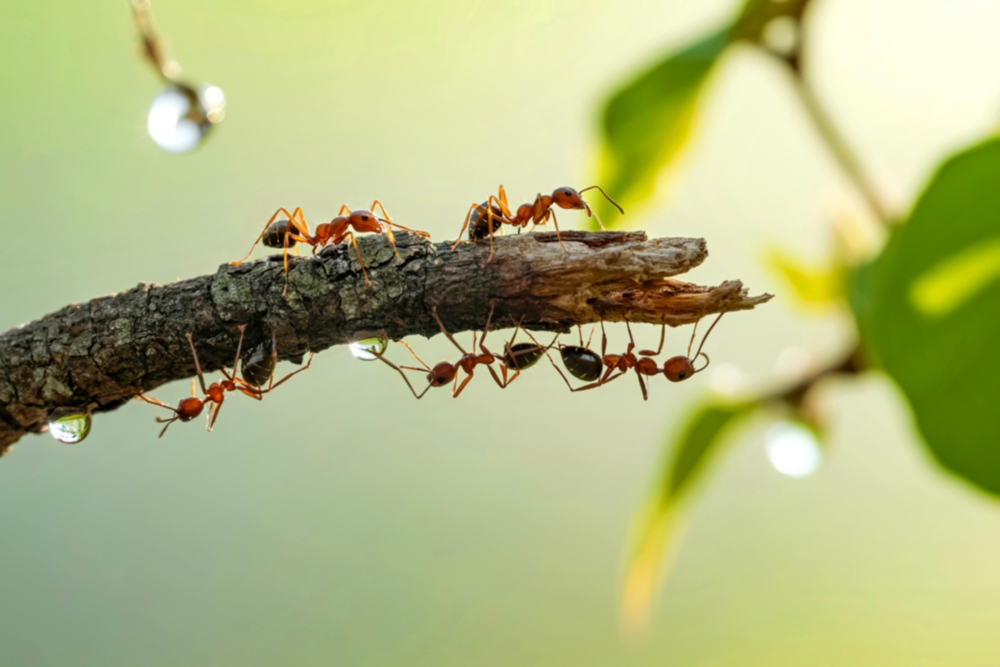
How Florida’s Rainy Season Triggers Ant and Termite Activity
Rainy Season Pest Control: Florida’s Ant and Termite Activity Explosion Explained
When the afternoon thunderstorms roll in, most Floridians think about umbrellas—pests think about opportunity.
Florida’s rainy season, typically May through October, creates the perfect storm for ant and termite activity. Moisture, warmth, and shifting soil conditions combine to drive colonies closer to—and often inside—your home.
Understanding why this happens can help you protect your property before the swarms start.
Why Rain Changes Everything for Pests
Moisture is one of the most powerful environmental triggers for insect behavior. For both ants and termites, water means survival.
1. Softened Soil for Expansion
Heavy rainfall loosens compacted soil, making it easier for pests to dig tunnels, build nests, and expand colonies.
2. Ideal Breeding Conditions
Humidity speeds up reproductive cycles. Termite eggs hatch faster, and ant larvae mature more quickly when moisture is high.
3. Shelter from Flooding
Ironically, the same rain that fuels growth also drives pests upward when their nests flood—often into walls, crawlspaces, and foundations.
The Termite–Rain Connection
Rain = Swarm Season
Florida’s subterranean termites rely on moisture to thrive. When spring and early-summer rains arrive, reproductive termites (called swarmers) leave the colony to start new ones.
You might notice:
- Winged termites fluttering near windows or lights after rainfall
- Discarded wings around door frames
- Mud tubes appearing along foundations or plumbing lines
These are clear signs of an active or nearby colony.
How Rain Affects Termite Behavior
- Moist Soil: Makes it easier for subterranean termites to travel unseen between the soil and wood.
- Higher Humidity: Prevents their delicate bodies from drying out.
- Leaky Roofs & Gutters: Provide new moisture pockets for drywood termites to invade attic framing and eaves.
Quick Fact: One subterranean termite colony can contain millions of workers, consuming wood 24 hours a day once they’ve found a moisture source.
The Ant–Rain Connection
Ants are survival specialists. When their underground tunnels flood, they immediately search for dry ground—and your kitchen, bathroom, or attic often provides exactly that.
Why You See More Ants After It Rains
- Relocation: Flooded colonies move indoors to escape water.
- Food Shortages: Rain washes away outdoor food sources, pushing ants inside for crumbs and pet food.
- Scent Trails Reset: Water disrupts the pheromone trails ants follow, causing them to wander widely (usually into your home).
Common Ants After Rain
- Ghost Ants: Tiny, moisture-loving ants that appear near sinks and windows.
- Carpenter Ants: Large ants that invade damp wood softened by humidity.
- Fire Ants: Build mounds higher after rainfall, becoming more aggressive when disturbed.
How Rain Impacts Pest Barriers
Many homeowners assume a single treatment lasts indefinitely—but Florida’s weather changes that.
- Rain Dilutes Soil Treatments: Heavy downpours can break down exterior pest barriers faster than expected.
- Humidity Accelerates Reinfestation: Even minor cracks become pest gateways when moisture attracts insects.
- DIY Sprays Wash Away: Store-bought repellents rarely hold up after multiple storms.
Professional pest control accounts for this by scheduling barrier refreshes and inspections throughout the rainy season.
Warning Signs to Watch During Rainy Months
| Pest | Common Signs After Rain | Areas to Check |
| Termites | Discarded wings, mud tubes, hollow wood | Baseboards, crawlspaces, foundations |
| Ants | Trails near sinks, sugar sources | Kitchens, bathrooms, windows |
| Carpenter Ants | Sawdust (frass), rustling in walls | Attics, porch beams, window frames |
| Fire Ants | Fresh mounds, stings after mowing | Lawns, driveways, flowerbeds |
If any of these appear, act quickly—moisture allows pests to multiply faster than usual.
How to Protect Your Home Before and During Rainy Season
1. Seal and Repair
- Caulk around windows, doors, and plumbing lines.
- Repair roof leaks and clean clogged gutters.
- Keep mulch at least 6 inches from siding.
2. Manage Moisture
- Fix irrigation leaks and avoid overwatering lawns.
- Use dehumidifiers in basements or enclosed patios.
- Ensure proper grading so rain drains away from your foundation.
3. Maintain Your Pest Barrier
Partner with a licensed pest control provider for quarterly or bi-monthly treatments that withstand Florida’s climate.
4. Schedule a Termite Inspection
Subterranean termites are nearly invisible until the damage is done.
Annual inspections with soil and wood-moisture readings help catch colonies early—especially after rainy months.
Pro Tip: A preventative termite barrier with products like Termidor® or Trelona® ATBS provides continuous defense even during heavy rain.
What to Expect from Seabreeze Rainy-Season Service
At Seabreeze Pest Control, our technicians tailor each service to Florida’s challenging climate:
- Pre-Season Inspection – Identify moisture zones, drainage issues, and early pest activity.
- Protective Barrier Renewal – Apply non-repellent treatments that bind to soil and resist rain dilution.
- Targeted Lawn Treatments – Eliminate ant mounds and surface pests before they migrate indoors.
- Monitoring and Education – We track seasonal trends and teach homeowners how to maintain moisture control between visits.
Because we follow Integrated Pest Management (IPM) principles, our focus is always on long-term prevention—not over-application.
The Cost of Ignoring Rain-Related Pest Activity
Waiting until you see visible damage can mean thousands in repairs.
- Termite repairs: Often exceed $3,000–$10,000 for structural restoration.
- Ant infestations: Can contaminate food and wiring, leading to electrical issues.
- Moisture damage: Encourages both pest infestations and mold growth.
Year-round pest control costs far less than repairing damage caused by a single rainy season.
Top 3 Takeaways
- Florida’s rainy season supercharges pest activity by increasing humidity and softening soil.
- Ants and termites respond differently—but both move closer to homes during heavy rainfall.
- Preventive, year-round pest management from Seabreeze keeps barriers strong and homes protected, even in peak moisture months.
Stay Protected This Rainy Season with Seabreeze Pest Control
Don’t wait until you see wings, trails, or mud tubes.
With over 30 years serving Pasco and Hernando Counties, Seabreeze Pest Control understands how Florida’s weather impacts pest behavior—and how to stop it before damage occurs.
Our technicians use University-trained IPM methods and proven products designed for the Gulf Coast’s toughest conditions.
Call Seabreeze Pest Control Hudson today to schedule your rainy-season inspection and ensure your home stays dry, secure, and pest-free year-round.

Brian Cummings has led Seabreeze Pest Control for 32 years with a people-first philosophy—care for your team, and they’ll care for your clients. His values shape the trusted, family-owned company Seabreeze is today.