
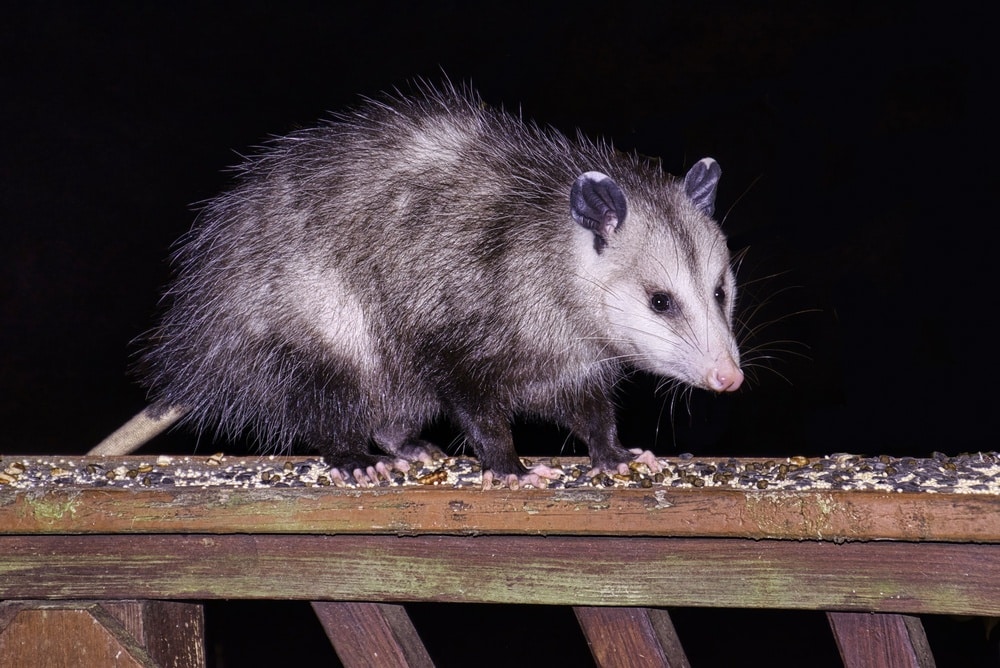
Rodents Move In When the Nights Cool: The Pasco County Fall Timeline
In Florida, rodent season does not wait for freezing weather.
Pasco County homeowners often start noticing signs of rodents when the nights begin to cool, rain patterns shift, and outdoor food sources become less predictable. In Hudson, Port Richey, New Port Richey, Trinity, Holiday, Spring Hill, Wesley Chapel, Tarpon Springs, Palm Harbor, and Dunedin, fall is one of the most important times to look for early rodent activity.
The reason is simple: rodents are opportunists. When the weather becomes more comfortable for people, it also becomes a strategic moving period for rats and mice looking for shelter, nesting areas, food, water, and safe travel routes.
That is why the phrase Rodents Move In When the Nights Cool is more than seasonal pest control advice. It is the fall timeline Pasco County homeowners should take seriously before scratching sounds, droppings, chewed wires, or attic activity become a larger problem.
Why Rodent Pressure Changes in the Fall
Florida does not have the same winter rodent pattern as colder states, but fall still matters.
As temperatures shift, rodents begin using structures differently. Roof rats, mice, and other nuisance rodents may move closer to homes, garages, sheds, attics, soffits, crawl spaces, kitchens, pantries, and wall voids.
Rodents need three things:
Food
Water
Shelter
A home can provide all three.
UF/IFAS emphasizes that rodent prevention depends heavily on rodent-proofing, sanitation, and removing access to food and shelter. Once rodents find a way inside, they can be difficult to manage without correcting the entry points that allowed the activity in the first place.
In Pasco County, fall rodent pressure is often tied to attic access, roofline gaps, garage doors, exterior storage, pet food, bird seed, fruit trees, and dense landscaping close to the structure.
The Pasco County Fall Rodent Timeline
Rodent activity can happen any month in Florida, but the fall pattern is predictable enough that homeowners should treat it like a timeline.
Early Fall: Rodents Start Testing the Structure
In early fall, rodents often begin exploring new shelter options. This is when they may start traveling along fences, tree limbs, rooflines, gutters, AC lines, utility penetrations, and soffit edges.
Homeowners may not hear anything yet.
Instead, the first signs may be subtle:
Small droppings in the garage
Pet food disturbed overnight
Gnaw marks on storage bins
Noises near exterior walls
Fruit partially eaten in the yard
Burrows near sheds or debris
Smudge marks near openings
For Hudson and Port Richey homes near wooded lots, canals, retention areas, and mature landscaping, this is the time rodents begin using the property as a safe travel zone.
Mid-Fall: Attic and Garage Activity Becomes More Noticeable
By mid-fall, the pattern usually becomes clearer.
Rodents may begin nesting in insulation, entering garages, climbing into attics, or traveling through wall voids. Roof rats are especially skilled climbers and can use trees, vines, fences, cables, and roof edges to access a home.
This is when homeowners often report:
Scratching in the attic
Sounds at night
Noises above bedrooms
Droppings near water heaters or garage corners
Chewed food packaging
A musty odor
Pets reacting to walls or ceilings
Damaged insulation
If Rodents Move In When the Nights Cool describes what is happening in your home, mid-fall is usually when the problem becomes harder to ignore.
Late Fall: Nesting and Reproduction Risk Increases
By late fall, rodents that have entered the structure may begin settling into nesting areas.
This is where the problem becomes more serious. Rodents can damage insulation, contaminate surfaces, chew wires, gnaw stored items, and create repeated activity if entry points are not sealed.
A trap-only approach often fails because it treats the rodents already inside but ignores the open door they are using to return.
The most effective fall rodent strategy is not just removal. It is inspection, exclusion, sanitation, trapping where appropriate, and monitoring.
Why Pasco County Homes Are Vulnerable
Pasco County has several conditions that make rodent activity common.
Hudson and Port Richey have older homes, coastal humidity, canals, sheds, mature landscaping, and structures with roofline gaps or garage access points. New Port Richey, Trinity, and Holiday often have dense neighborhoods where rodents can move from one property to the next. Wesley Chapel and Land O’ Lakes have rapid development, retention ponds, wooded edges, and construction displacement. Spring Hill and Hernando County properties may have larger yards, sheds, fruit trees, and more exterior storage.
North Pinellas homes in Tarpon Springs, Palm Harbor, and Dunedin can also experience heavy rodent pressure because of mature trees, older roofs, shaded lots, and outdoor living spaces.
Rodents do not need a large opening. Small gaps around the roofline, garage seal, AC chase, plumbing penetration, or soffit return can be enough.
The Most Common Rodent Entry Points
A proper rodent inspection should include the full exterior envelope of the home.
Common entry points include:
Gaps under garage doors
Damaged weather stripping
Openings around AC lines
Roof returns
Soffit gaps
Loose fascia
Vents without proper screening
Plumbing penetrations
Gaps near crawl access
Damaged screens
Openings around utility lines
Spaces under doors
Tree limbs touching the roof
In Florida, roofline entry is especially important. Rodents do not always enter from ground level. Roof rats can climb and enter from above, which is why homeowners may hear attic activity long before they see anything in the kitchen.
What Attracts Rodents Around the Home
Rodent control is not only about sealing holes. The property also has to become less attractive.
Common attractants include:
Pet food stored in bags
Bird seed
Unsealed trash cans
Compost piles
Outdoor kitchens
Fruit trees
Standing water
Dense shrubs
Palm debris
Stacked firewood
Cluttered garages
Sheds with stored food or nesting material
Open grill grease trays
A clean house can still have rodents if the exterior gives them food, water, shelter, and access.
This is especially common in Hudson and West Pasco, where outdoor storage, shaded landscaping, sheds, and garages are part of normal Florida living.
Why DIY Rodent Control Often Fails
Most DIY rodent efforts focus on traps or bait. Those may reduce visible activity, but they do not solve the structural problem.
If rodents are entering through the roofline, soffit, garage seal, or utility gap, more rodents can continue entering after the first ones are caught.
The correct sequence is:
Inspect the structure
Identify entry points
Reduce attractants
Trap or remove active rodents where needed
Seal access points
Monitor for continued activity
Skipping exclusion is the mistake that keeps rodent problems alive.
Why Fall Is the Best Time to Act
Fall is the ideal time to address rodent risk because activity may still be early.
Once rodents nest in attic insulation or wall voids, the problem can become more invasive. Contamination, odor, insulation damage, and repeated activity can increase the scope of work.
A fall inspection gives homeowners a chance to find weak points before the home becomes a nesting site.
That is why Rodents Move In When the Nights Cool should be treated as a seasonal warning, not just a catchy phrase.
How Seabreeze Pest Control Helps
Seabreeze Pest Control serves Hudson and surrounding areas across Pasco, Hernando, and North Pinellas counties, including Spring Hill, Port Richey, New Port Richey, Holiday, Wesley Chapel, Tarpon Springs, Palm Harbor, and Dunedin.
A professional rodent service should not rely on guesswork. It should look at how rodents are accessing the structure, where they are traveling, what is attracting them, and what needs to be corrected to prevent repeat activity.
For Pasco County homeowners, that local understanding matters. Rodent pressure near a wooded Hudson property may look different from a Wesley Chapel subdivision, a Spring Hill acreage-style yard, or a Dunedin home with mature trees and older rooflines.
The Bottom Line
Rodents move in when conditions shift. In Pasco County, that often begins when fall nights cool and rodents start searching for safer shelter.
The earlier homeowners respond, the easier the problem is to control.
Watch for droppings, scratching, gnaw marks, garage activity, attic noises, damaged food packaging, and exterior gaps. Do not wait until the problem becomes obvious from inside the living space.
For homes in Hudson, Port Richey, New Port Richey, Spring Hill, Wesley Chapel, Tarpon Springs, Palm Harbor, Dunedin, and nearby communities, fall is the time to inspect, seal, clean up, and prevent rodents from turning your home into their shelter.

Brian Cummings has led Seabreeze Pest Control for 32 years with a people-first philosophy—care for your team, and they’ll care for your clients. His values shape the trusted, family-owned company Seabreeze is today.