
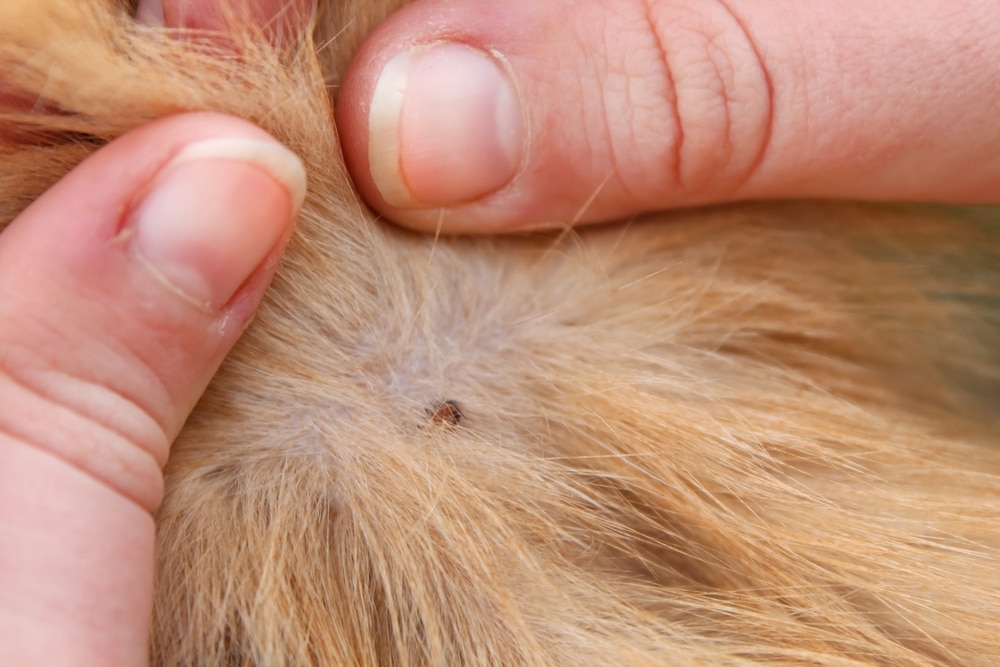
Fleas and Ticks in Florida Yards: Why Treating the Pet Isn’t Enough
If your dog or cat is on flea and tick prevention, it is easy to assume the problem is handled.
In Florida, that is not always true.
Fleas and ticks can live in the yard, around shaded landscaping, under decks, near fences, in pet resting areas, and in places where wildlife travels. That means treating the pet is important, but it may not be enough to stop the full cycle.
For homeowners in Hudson, Port Richey, New Port Richey, Spring Hill, Wesley Chapel, Holiday, Tarpon Springs, Palm Harbor, Dunedin, and nearby communities, Fleas and Ticks in Florida Yards are a year-round concern that often becomes worse with humidity, shade, wildlife, and outdoor pet activity.
The problem is not just the animal. It is the environment the animal keeps walking through.
Why Fleas and Ticks Thrive in Florida
Florida gives fleas and ticks a long active season.
Warm weather, humidity, rain, shaded yards, dense vegetation, and wildlife activity all help these pests survive. UF/IFAS notes that flea and tick populations can remain healthy and active in Florida through much of the year, which is one reason pet protection and environmental control both matter.
That is especially relevant in West Central Florida. Hudson, Spring Hill, Port Richey, Wesley Chapel, Palm Harbor, Tarpon Springs, and Dunedin all have conditions that can support flea and tick activity.
Large yards, wooded lots, mature landscaping, retention ponds, shaded patios, outdoor kennels, and wildlife movement can all contribute to reinfestation.
Why Pet Treatment Alone Can Fall Short
Veterinary flea and tick prevention is a key part of protection. But it does not necessarily eliminate every flea or tick in the yard.
A pet can pick up fleas or ticks from:
Grass
Mulch beds
Fence lines
Shrubs
Wildlife trails
Kennels
Shaded soil
Patios
Under decks
Outdoor resting spots
Neighboring yards
Dog parks
Walking paths
Even when a pet treatment kills fleas after contact or feeding, the pet may continue encountering new fleas or ticks outside. That creates the impression that the product is not working, when the real issue may be repeated exposure from the yard.
UF/IFAS guidance on flea control notes that effective management may require treating areas the animal frequents, including bedding, sleeping areas, kennels, indoor areas, and yard areas at the same time the pet is treated.
That is the core issue: pet treatment and property treatment have to work together.
Where Fleas Hide in the Yard
Fleas do not spread evenly across the lawn. They usually concentrate in areas where pets or wildlife rest.
Common flea zones include:
Shaded areas under shrubs
Dog resting spots
Kennels
Under decks
Fence lines
Mulch beds
Porches
Crawlspace openings
Outdoor bedding areas
Areas where cats rest
Sheds
Garages
Wildlife access points
Sunny, dry, open lawn areas are usually less favorable. Shaded, humid, protected areas are more likely to support flea development.
For Hudson and Pasco County homeowners, this matters because many yards have heavy shade, mature shrubs, and moisture-holding landscaping. In Spring Hill and Hernando County, larger yards and wildlife activity can make flea pressure harder to isolate. In North Pinellas communities like Tarpon Springs, Palm Harbor, and Dunedin, dense landscaping and shaded patios can create ideal harborage areas.
Where Ticks Hide in the Yard
Ticks are often associated with tall grass, brush, wooded edges, leaf litter, and areas where animals move.
They may be found near:
Fence lines
Tall grass
Wooded borders
Leaf litter
Overgrown shrubs
Wildlife trails
Pet paths
Shaded yard edges
Brush piles
Areas where rodents or wildlife move
UF/IFAS Extension recommends regular lawn care, habitat reduction, pet protection, and professional treatments when needed as part of a broader approach to managing ticks in Florida yards.
Ticks are not just a pet issue. People can pick them up while gardening, walking through brush, maintaining fence lines, or sitting in shaded outdoor areas.
Wildlife Keeps the Problem Moving
One of the biggest reasons Fleas and Ticks in Florida Yards keep coming back is wildlife.
Rodents, raccoons, opossums, feral cats, squirrels, and other animals can bring fleas and ticks onto the property. Even if your pet is treated, wildlife may continue introducing pests into the yard.
This is common in:
Hudson homes near wooded lots or canals
Spring Hill properties with larger yards
Wesley Chapel communities near retention ponds
Port Richey and New Port Richey homes near drainage areas
Palm Harbor and Dunedin homes with mature landscaping
Tarpon Springs homes near shaded, coastal, or wooded areas
A flea or tick issue may not start with your pet. Your pet may simply be the first place you notice it.
The Indoor-Outdoor Cycle
Fleas are especially frustrating because they can move between the pet, yard, and home.
A typical cycle looks like this:
The pet picks up fleas outside.
Fleas or eggs are carried indoors.
Eggs fall into bedding, rugs, furniture, or cracks.
New fleas develop indoors.
The pet goes back outside and encounters more fleas.
The cycle repeats.
This is why homeowners can treat the pet and still see fleas.
The house, pet, and yard may all need attention at the same time. Treating only one part of the cycle can leave the rest active.
Why Timing Matters
Flea and tick control works best when it is coordinated.
That means pet treatment, yard treatment, indoor cleaning, bedding cleanup, and habitat reduction should happen close together. If the pet is treated but the yard remains active, exposure continues. If the yard is treated but bedding and indoor areas are ignored, fleas may continue developing inside.
A coordinated plan may include:
Veterinary-approved pet prevention
Vacuuming indoor resting areas
Washing pet bedding
Treating outdoor harborage zones
Trimming overgrown vegetation
Removing leaf litter
Reducing wildlife attractants
Sealing gaps around sheds or crawl areas
Professional yard treatment where appropriate
The goal is to break the cycle, not just react to the flea or tick seen today.
What Homeowners Can Do Outside
Homeowners can reduce flea and tick pressure by changing the yard conditions that support them.
Start with:
Keeping grass cut
Trimming shrubs away from walkways
Removing leaf litter
Cleaning under decks and porches
Reducing brush piles
Keeping pet resting areas clean
Discouraging wildlife access
Storing pet food indoors
Keeping trash sealed
Limiting damp debris near the home
Checking fence lines and shaded edges
For homes in Hudson, Spring Hill, Wesley Chapel, Tarpon Springs, Palm Harbor, and Dunedin, the most important areas are usually shaded and protected spaces, not the middle of the lawn.
What Homeowners Can Do Indoors
Indoor control matters when fleas have already entered the home.
Useful steps include:
Vacuuming floors, rugs, furniture, and baseboards
Washing pet bedding in hot water where fabric allows
Cleaning under furniture
Emptying the vacuum outside
Reducing clutter where eggs and larvae can hide
Checking pet sleeping zones
Following veterinary guidance for pet treatment
Indoor flea issues can take time because eggs and immature stages may continue developing after adult fleas are noticed. Consistency matters.
When Professional Yard Treatment Makes Sense
Professional flea and tick yard treatment may be appropriate when:
Pets keep picking up fleas or ticks
The yard has shaded, humid areas
There is wildlife activity
The home backs up to woods or retention areas
Fleas are showing up indoors repeatedly
Ticks are found on pets or people
DIY sprays are not working
The property has kennels, outdoor pet spaces, or heavy landscaping
Professional service can target the zones where fleas and ticks are most likely to hide instead of treating the yard blindly.
That matters because Fleas and Ticks in Florida Yards are rarely distributed evenly. Treatment should focus on the areas where pests live, rest, and wait for a host.
How Seabreeze Pest Control Helps
Seabreeze Pest Control serves Hudson and surrounding areas throughout Pasco, Hernando, and North Pinellas counties, including Port Richey, New Port Richey, Spring Hill, Holiday, Wesley Chapel, Tarpon Springs, Palm Harbor, and Dunedin.
A local flea and tick plan should consider pets, wildlife, shade, moisture, landscaping, yard use, and the places where people and animals spend the most time.
For one home, that may mean treating shaded pet areas. For another, the concern may be fence lines, wooded edges, mulch beds, or outdoor kennels. The right approach depends on how the property is actually being used.
The Bottom Line
Pet treatment is important. But in Florida, it is often only one part of flea and tick control.
Fleas and ticks can live in the yard, move in with wildlife, hide in shaded areas, and cycle between pets, outdoor spaces, and the home. That is why treating the pet alone may not be enough.
For homeowners in Hudson, Pasco County, Hernando County, North Pinellas, Dunedin, Palm Harbor, Tarpon Springs, and Wesley Chapel, effective flea and tick control means treating the pet, the home environment, and the yard conditions that keep the problem active.

Brian Cummings has led Seabreeze Pest Control for 32 years with a people-first philosophy—care for your team, and they’ll care for your clients. His values shape the trusted, family-owned company Seabreeze is today.